How Many Toys R Us Stores Are Left? The 2026 Count
How many Toys R Us stores are left? About 160 standalone US stores for holiday 2026, plus shops in Macy's and airports. See the count versus 735 in 2018.
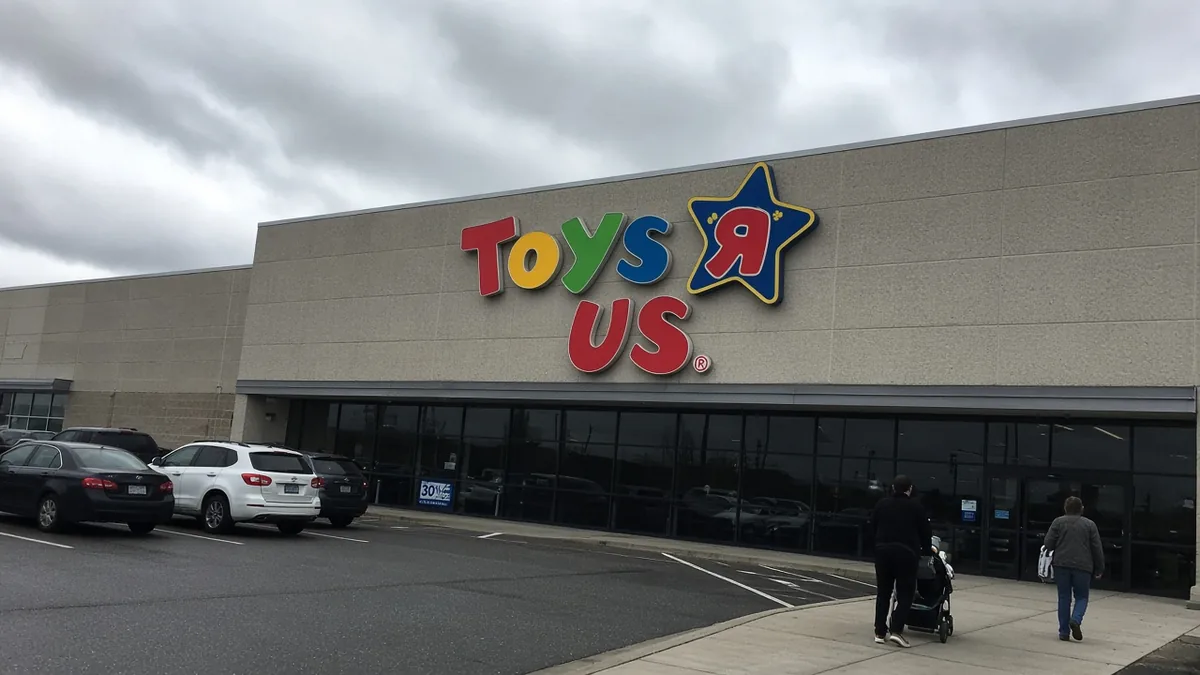
Toys R Us has about 160 standalone stores left in the US for the 2026 holiday season: 40 that were already open plus 120 new ones announced on September 17, 2026. It also runs shops inside Macy’s, at airports and in Navy Exchange stores on military bases. For scale, the old company liquidated 735 US stores in 2018.
There’s a catch in that 160, though. Not all of the new stores are promised to stay open after the holidays.
How many Toys R Us are left, by type of store
The answer depends on what you count as a store. This breakdown comes from the company’s September 2026 announcement and recent reporting.
| Type of location | Count | Notes |
|---|---|---|
| US standalone stores already open | 40 | As of September 2026 |
| New US standalone stores | 120 | Opening for the 2026 holidays with Go! Retail Group |
| Shops inside Macy’s | Not disclosed | In every Macy’s by October 2022; Macy’s has closed stores since |
| Airport shops | At least 1 | Orlando opened in 2026, another planned for 2027 |
| Navy Exchange shops | Not disclosed | Shop-in-shops on US military bases |
| Canada (separate owner) | About 10 | After a court-approved sale in June 2026 |
Put another way, even at its holiday peak the standalone fleet will be about 22% of what Toys R Us had when it liquidated.
Are the 120 new Toys R Us stores permanent?
Some will be, but nobody has said how many. The stores are opening with Go! Retail Group, a company best known for seasonal calendar and toy shops in malls.
When MediaPost asked, a Go! executive said the stores would stay open through the holidays and that many would run well into 2027, without confirming a permanent number. Forbes reported that shopper interest outside the holiday window has been strong enough to keep stores open year-round.
That’s encouraging, but treat 160 as the holiday peak. The real year-round count will show up in early 2027.
As for why now, NBC News tied the expansion to grown-up collectors driving toy sales. The brands Toys R Us plans to feature, including LEGO, Pokémon, Hot Wheels, Barbie and KPop Demon Hunters, include several lines adults buy for themselves.
Why did they shut down all the Toys R Us stores?
Debt, mostly. In 2005, KKR, Bain Capital and real estate firm Vornado bought Toys R Us for $6.6 billion, paying for most of it with borrowed money that stayed on the company’s books. By its 2017 bankruptcy, Toys R Us carried about $5 billion of debt and was spending roughly $400 million a year to service it, CNN reported.
That interest bill arrived just as Walmart, Target and Amazon were using cheap holiday toys to pull shoppers into their stores. Money that could have gone into stores and e-commerce went to lenders instead. For the other side of that fight, see how Amazon makes money and who owns Walmart.
The end came fast. Toys R Us filed for Chapter 11 in September 2017 and said in January 2018 it would close 182 stores. After a holiday season that came in below even its worst-case forecast, it asked the court in March 2018 to liquidate all 735 remaining US stores. About 33,000 jobs went with them, and the last stores closed that June.
Who bankrupted Toys R Us?
There’s no single culprit, but the 2005 buyout is the root cause. The owners loaded the company with debt it could only carry if sales held up, and sales didn’t hold up.
Marketplace reported that Bain and KKR each still collected at least $15 million in fees along the way, even though the investors in their funds didn’t profit from the deal.
Who owns Toys R Us now?
The brand outlived the stores. Tru Kids Brands bought the Toys R Us name and intellectual property in January 2019, and brand management firm WHP Global took control in 2021.
WHP doesn’t run most locations itself. It licenses the name to partners like Macy’s and Go! Retail Group, who operate the shops. That’s why the store count is so fuzzy: the number of locations can swing sharply from season to season depending on what partners open.
Is Toys R Us Canada closing?
Mostly, yes. Toys R Us Canada is a separate company. Fairfax Financial bought it out of the US bankruptcy in 2018 for about C$300 million, and Putman Investments bought it in 2021, when it had 81 stores. After years of closures, it filed for creditor protection on February 3, 2026.
In June 2026 an Ontario court approved splitting the business three ways, CBC reported. Ad Populum, which owns Party City, got the Canadian Toys R Us trademarks. A company run by owner Doug Putman got 10 store leases and the inventory, with a license to use the name until January 25, 2027. A third buyer took a single store lease.
Whether those 10 stores keep the Toys R Us sign after January 2027 is still undecided.
FAQ
Did Toys R Us ever go out of business for good?
The original US operating company did. It liquidated in 2018 and closed every store by that summer. The brand survived because its name, mascot and other intellectual property were sold separately, which is how Toys R Us shops could return inside Macy’s in 2022 and as standalone stores after that.
Where are the new Toys R Us stores?
The company’s announcement didn’t include a full list. Local news has reported openings in malls, such as a new store at CherryVale Mall near Rockford, Illinois. Check the Toys R Us website or your local mall’s directory, and keep in mind that some locations may close after the holidays.


Discussion