Why Did Vine Shut Down? The Real Reasons Twitter Pulled the Plug
Why did Vine shut down? Twitter was cutting costs, creators had no way to get paid and Instagram copied the format. The five reasons it closed in 2016-2017.
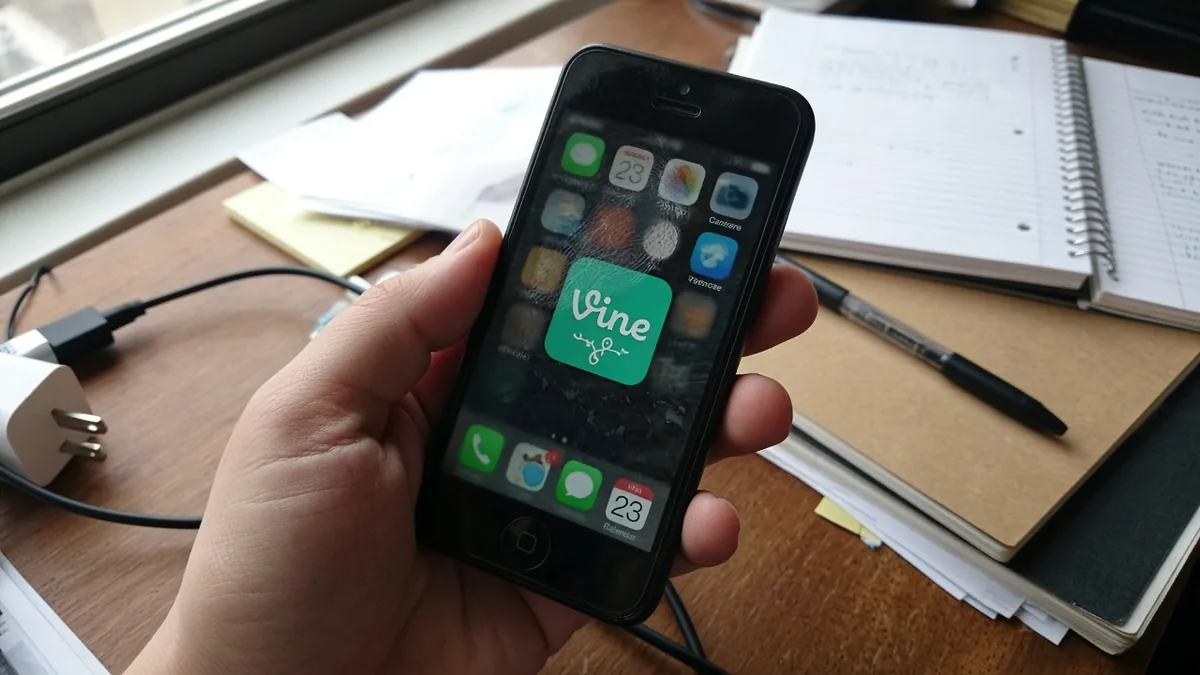
Vine shut down because its owner, Twitter, was losing money and cutting costs, and Vine had never built a way to earn money for itself or for the creators who made it famous. Twitter announced the closure on October 27, 2016, the same day it said it would cut about 9% of its staff. In January 2017 the app was stripped back to a camera tool, and Vine as a social network was over.
No single mistake killed it. Five problems landed at once, and a parent company in survival mode had no reason to fix them.
Vine, start to finish (and after)
Vine ran as a live social app for almost exactly four years, from January 2013 to January 2017.
Why did Vine shut down? Five reasons that stacked up
1. Twitter was in cost-cutting mode
Twitter’s third quarter of 2016 was grim. Revenue grew just 8% to $616 million, the company lost $103 million, and it planned to cut about 9% of its 3,910 employees, according to NPR’s report on the cuts.
Twitter was also trying to find a buyer, and Google and Disney had reportedly lost interest that month. A company in that position wants to show it can turn a profit. A standalone app with no advertising product of its own was an obvious thing to drop.
2. Vine never built a way to pay creators
Vine’s stars had millions of followers and almost no way to earn from them inside the app. In late 2015, according to a Mic report published after the shutdown, about 18 of Vine’s biggest creators asked for $1.2 million each in exchange for 12 original Vines a month, plus fixes such as better comment filters and links in captions.
Vine declined. The creators shifted their energy to Instagram and YouTube, where brand deals and ad revenue already existed, as Engadget reported at the time.
The maths of the rejected deal
18 creators × $1.2 million = $21.6 million. That’s less than the roughly $30 million Twitter reportedly paid for Vine, and about a fifth of the $103 million Twitter lost in a single quarter of 2016.
My take: Twitter could have afforded the cheque. What it couldn’t afford was the precedent. Paying 18 people to post doesn’t create an ad business, and the next 180 creators would have wanted the same deal. The real failure came earlier, when Vine grew to more than 200 million monthly viewers without any plan to share money with the people bringing them in.
3. Bigger rivals copied the format
Instagram added 15-second video in June 2013, five months after Vine launched, and put it in front of a far larger audience. Snapchat Stories arrived later that year. By the time Vine was cut, NPR noted that Snapchat was on course for close to $1 billion in ad revenue the following year.
YouTube, meanwhile, already paid creators a share of ad revenue. Vine was competing for talent against platforms that could write cheques and for viewers against apps people opened every day anyway.
4. Six seconds was a ceiling as well as a hook
The limit is what made Vine funny. It also made it hard to tell a longer joke, slot in an ad or let a creator grow into bigger formats. Vine only loosened it in June 2016, letting a select group of creators attach videos up to 140 seconds, with the six-second loop acting as a trailer. By then much of its talent had already moved on.
5. The leadership kept changing
Co-founder Rus Yusupov lost his job in Twitter’s October 2015 layoffs, and general manager Jason Toff left for Google in January 2016. By July 2016, Recode reported that most of Vine’s top executives had gone too. A product that needed bold changes spent its last year without steady leadership.
Were Vines 6 or 7 seconds?
Six. Every Vine was capped at six seconds and played on a loop, which is why a good one could be watched 20 times in a row without feeling long.
Why did Vine fail but TikTok succeeded?
TikTok took the short-video idea and fixed the parts Vine never did.
- Discovery first. TikTok’s main feed recommends videos from strangers based on what you watch, so a new creator can break through without followers. Vine leaned far more on who you already followed.
- More room. TikTok kept extending its time limit and built music and editing tools into the app from the start.
- A committed owner. ByteDance bought Musical.ly in 2017, folded it into TikTok in 2018 and spent heavily on advertising to grow it. Vine was a side project inside a company that was shrinking. (Here’s who owns TikTok today.)
- Money for creators. TikTok launched a $200 million Creator Fund for US creators in July 2020 and said it expected the pot to pass $1 billion within three years.
The result is a platform on a different scale entirely, as these TikTok usage statistics show.
What replaced Vine?
TikTok became the real successor, with Instagram Reels (2020) and YouTube Shorts close behind. Vine co-founder Dom Hofmann also tried a direct sequel, Byte, which launched in January 2020 and was bought a year later by Clash, a short-video app co-founded by a former Vine creator.
Will Vine ever come back?
Partly, and not in the way most people mean.
After buying Twitter, Elon Musk ran a poll in October 2022 asking whether to bring Vine back. 69.6% voted yes, and Axios reported that engineers had been told to look at a reboot. Nothing launched. In August 2025 Musk said X had found the Vine video archive, which it had believed was deleted, and was working on restoring access. The same post promoted X’s Grok Imagine tool as “AI Vine.”
The closest thing to a return is diVine, an independent app backed by Jack Dorsey, who was Twitter’s CEO when Vine was shut down. After a beta in late 2025, it launched publicly on iOS and Android in late April 2026 with roughly 500,000 restored Vines and a rule that new posts must be made by people, not AI.
My take: nostalgia gets downloads. Whether diVine lasts depends on the question Vine never answered: who pays the people who make the app worth opening?
Vine’s core idea was right. TikTok, Reels and Shorts are the proof. What failed was the business wrapped around it, inside a parent company that couldn’t afford patience. For another app that vanished at its peak for very different reasons, read why Flappy Bird was pulled.
Discussion